
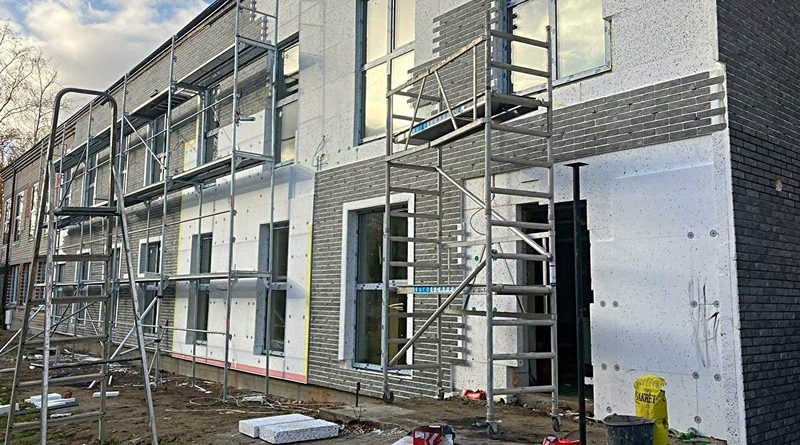
Royal Facade Insulated Facade Panels: Combining Thermal Insulation and Facade Design
Ageing exterior walls lose heat, crack, and start looking tired long before the rest of a building does. Anyone renovating an older home, or specifying finishes for a new one, faces the same question: how to insulate the walls properly while giving the facade a finish that will still look good in years to come. Royal Facade Insulated Facade Panels are one answer, and products of this kind, often referred to in the industry as thermopanels, combine a clinker tile finish with an insulating core in a single unit for exterior walls.
How Insulated Facade Panels Work
Traditional facade renovation often means two separate jobs: fitting insulation boards, then adding a protective, decorative layer over the top. Royal Facade Insulated Facade Panels combine both steps into one component. A layer of insulating material sits behind a hard-wearing clinker tile surface, so the wall gains thermal protection and a finished appearance at once. The panels are fixed to the exterior wall, covering the building envelope and closing gaps where heat typically escapes through an under-insulated wall. Because insulation and finish arrive together, installers work with a single system rather than coordinating several materials on site.
Benefits of Clinker Thermal Insulation Panels
Clinker tiles have been used on buildings for generations because fired clay stands up well to weather, UV exposure and temperature swings. Combining that material with an insulating backing brings several practical advantages:
- Reduced heat transfer through exterior walls, easing the load on heating and cooling systems
- A protective outer layer shielding the wall structure from rain, frost and pollution
- A brick-like finish suited to both traditional and contemporary architecture
- Fewer separate trades and materials, compared with insulating and cladding a wall separately
- Durability associated with fired clay, which does not fade or degrade the way some synthetic renders can
None of this means every wall behaves identically once panels are fitted; performance depends on the existing structure, local climate and installation quality. Still, combining insulation and finish in one product is a genuine simplification for many renovation and new-build projects.
Why Facade Insulation Matters
An insulated facade affects more than the heating bill. Walls that lose heat unevenly create cold spots and draughts indoors, more noticeable in older solid-wall buildings than in modern cavity construction. Addressing this at the facade, rather than only from the inside, keeps living space intact and avoids disrupting internal finishes. A facade that resists moisture and impact damage also generally needs less repainting and repair over the years, which matters for anyone thinking about a building’s condition years down the line.
Choosing an Insulated Facade System
Before settling on any insulated facade product, it helps to think through:
- The thermal performance the wall needs, based on age, construction and local climate
- The condition of the existing wall and whether it can safely take an external cladding system
- How the finish will sit alongside surrounding architecture
- Installation requirements, including qualified contractors and suitable weather
- Long-term maintenance expectations for the chosen material
No single system suits every building automatically, so it is worth discussing project specifics with a specialist before ordering materials.
Learn More About Royal Facade Insulated Facade Panels
Royal Facade describes its panels as part of what it calls a completely risk-free engineering system, built to protect a property’s value over the long term. For anyone weighing up options for a renovation or new build, a phone consultation can help clarify whether this kind of system fits the specific wall, climate and design in question. Readers can call +48 666 273 099 to discuss a project directly, or visit the company’s website at royalfacade.eu to see further examples of Royal Facade Insulated Facade Panels in use.